DPP basicsBrand & marketingPublished · Updated · 5 min read
Beyond compliance: how a Digital Product Passport becomes a marketing asset
A practical guide to using a Digital Product Passport for customer trust, product storytelling, care and circular services, without promising features that are not live.
Written by Vincent Ghilione, Founder, Wetrack
Most Digital Product Passport conversations begin with compliance: what data is required, when the rules apply and how a brand should prepare.
Those questions matter. But they do not give a customer a reason to scan a QR code.
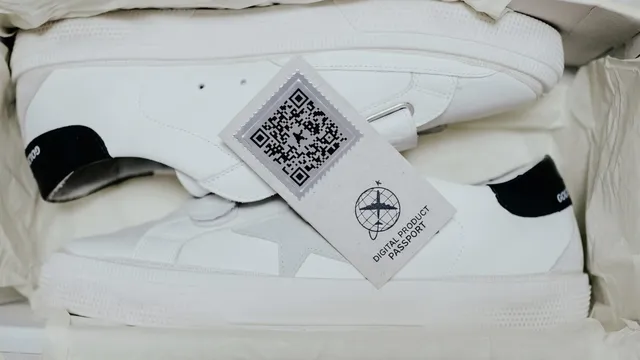
The commercial opportunity is simpler: use the same structured product record to help someone understand the product before purchase and care for it afterwards. The passport becomes a permanent, branded place for evidence, product stories and useful services, not just a regulatory page.
That does not automatically make every passport a retention or revenue engine. Those outcomes require the right customer experience, measurement and, in some cases, additional commerce or CRM systems. This guide separates what a passport can do today from what needs more infrastructure.
The useful way to think about it
A product passport can serve three moments:
- Before purchase: show materials, origin, environmental information and evidence on the product page.
- At the product: let someone scan a QR code and see a branded record rather than a wall of compliance fields.
- After purchase: keep care, repair, take-back, resale and recycling guidance available behind the same permanent link.
Compliance creates the reason to structure the data. Customer usefulness creates the reason to return to it.
1. Make transparency part of the product page
The passport does not have to live only behind a QR code. A storefront widget can show selected passport information beside the product while someone is deciding whether to buy.
This is where the passport has the clearest marketing role today. Materials, manufacturing origin and evidence behind claims can answer questions that generic sustainability copy cannot. The customer stays inside the store, and the brand chooses which information to highlight.
Wetrack’s Shopify widget is optional. Connecting the catalogue never changes the theme or publishes information automatically.
2. Replace broad claims with product-level proof
“Responsible,” “conscious” and “sustainable” say very little on their own. A product record can be specific: material percentages, production locations, certificate numbers, expiry dates and the method behind an environmental calculation.
Specific information is useful marketing because it gives the customer something concrete to evaluate. It also makes the boundary between evidence-backed and self-declared claims visible.
The passport should not turn compliance fields into another layer of promotional language. The strongest story is usually the clearest version of the facts.
3. Treat the QR code as an invitation
“Scan for compliance information” is not a compelling invitation. Tell people what they will get:
- See where this product was made.
- Check the evidence behind our material claims.
- Find the correct care and repair guidance.
- Access our take-back or resale service.
The passport should reward the scan quickly. Lead with the information that matters for that product, keep the layout consistent with the brand and make the next useful action obvious.
4. Keep the page useful after checkout
Product listings disappear, campaigns end and care labels fade. A permanent passport URL can remain available for the life of the product.
The brand can update care instructions, repair information and end-of-life guidance without replacing the printed QR code. If the brand launches take-back, resale or recycling later, the same passport can point to the new service.
This is a continuing product touchpoint, but not automatically a customer relationship. Owner registration, consent, loyalty, personalised messaging and CRM automation require additional features that a public passport page alone does not provide.
5. Connect the passport to circular services
A product identity becomes more commercially useful when it leads somewhere: a repair request, a trade-in flow or a branded resale experience.
Weloop runs resale and trade-in inside a brand’s Shopify store. A Wetrack passport can link customers to those experiences today. Wetrack and Weloop remain separate apps: they do not yet match products automatically or share customer and lifecycle events.
A deeper connection is the logical direction: publish the identity with Wetrack, activate the next life with Weloop and keep the transaction inside Shopify. But it should be described as planned until that integration ships.
6. Reuse the product record in marketing
The structured record is also a source for product descriptions, retailer answers, newsletters and campaign content. A material composition, production journey or verified certificate is more useful when the brand can reuse it consistently instead of rewriting the claim for every channel.
AI can help prepare and categorise that information. The brand still needs to review what is accurate, what is evidenced and what should be public.
7. Measure the result honestly
Decide what the passport is meant to improve before launch. Depending on the experience and tools available, useful measures may include:
- Engagement with the storefront widget.
- Visits to care, repair, take-back or resale destinations.
- Fewer repeated product-information questions.
- Faster retailer or wholesale data requests.
- Conversion or repeat-purchase changes tested against a suitable baseline.
A QR code does not create first-party customer data by itself. Scan analytics, consented owner data and revenue attribution require appropriate analytics, privacy controls and integrations. Wetrack does not currently provide scan analytics, owner registration, loyalty or CRM automation.
Where the opportunity is strongest
This framing can help any brand make its passport more useful, but the commercial case is strongest for products with a longer life:
- Premium and luxury goods.
- Bags, footwear, jewellery and watches.
- Products with meaningful repair potential.
- Categories with an active secondary market.
- Brands already offering care, take-back, trade-in or resale.
Company size matters less than product economics. A small premium accessories brand may have a stronger post-purchase use case than a much larger brand selling low-value, short-lived products.
What Wetrack supports today
Wetrack currently provides the foundation:
- Shopify catalogue import.
- AI-assisted preparation and matching of product resources, with brand approval.
- Structured product, supplier and evidence records.
- Branded passports and permanent QR codes.
- An optional Shopify storefront widget.
- Care, repair, take-back, resale and recycling destinations on the passport.
- Product, batch and unit passports on suitable plans.
It does not currently provide owner registration, ownership transfer, loyalty, automated resale, scan analytics or CRM journeys. Those distinctions matter because the marketing promise should remain as credible as the data inside the passport.
Start with one useful journey
Do not begin by trying to build a complete post-purchase operating system. Choose one product line and one customer job:
- Understand the materials before buying.
- Find care information after buying.
- Book or find a repair service.
- Enter a take-back or trade-in flow.
- Access the brand’s resale experience.
Publish the passport, make that action visible and learn whether customers use it. Then expand what works.
The regulation puts a passport on the product. The opportunity is to make it worth opening.
See how Wetrack publishes the passport or explore Weloop recommerce.
This article was reviewed on 20 August 2026. Product capabilities are described as live or planned at that date.
Next step
See what a passport would already contain for one of your products.
Free, one product, from your public data. You get a dated report and a sample passport you can open.
Vincent builds Wetrack and its sister product Weloop from Carouge, Switzerland. 25 years of building digital products for brands, now spent on product data, passports and what the ESPR actually asks of a fashion brand.
LinkedIn (opens in a new tab)Reviewed for accuracy by the Wetrack team. Regulatory dates come from official EU sources and are re-checked when the rules move; the date at the top of this page tells you when. This guide is information, not legal advice.